
Nextdoor, Perusahaan Farmasi, dan Buah yang Paling Mudah Dipetik
Saya menemukan survei tolok ukur pemasaran farmasi yang menyebutkan Nextdoor sebagai bagian dari lanskap media.
Satu hal yang menarik perhatian saya: Nextdoor bahkan tidak memimpin studi tersebut. Platform itu hanya disebut-sebut sebagai saluran lain.
Dan, ngomong-ngomong, ini sudah hari ke-3 sejak saya meminta studi asuransi lengkap dari Jacob Chavis. Masih belum ada laporan. Masih belum ada tanggapan. Pada titik ini, saya tidak heran.
Kembali ke survei.
Reaksi pertama saya adalah ini terasa seperti memetik buah yang paling mudah dipetik.
Sensus memberi tahu kita di mana populasi menua. Data demografis lokal menunjukkan di mana para lansia tinggal. Bukan hal yang mengejutkan untuk menyimpulkan bahwa lingkungan dengan penduduk yang lebih tua akan memiliki permintaan yang lebih besar untuk obat-obatan yang meningkatkan kualitas hidup.
Tim penjualan farmasi regional yang kompeten sudah mengetahui dokter mana yang meresepkan apa, apotek mana yang mendistribusikannya, dan di mana peluangnya berada. Rencana kompensasi, kuota, bonus, dan strategi wilayah telah bergantung pada metrik tersebut selama bertahun-tahun.
Dan jika AI benar-benar merupakan kekuatan revolusioner yang sering dipromosikan oleh pimpinan Nextdoor, mengapa tidak sekadar menggabungkan tren resep, data demografis, dan peta kode pos? Peluangnya akan menjadi jelas tanpa perlu survei pemasaran lainnya.
Kekhawatiran terbesar saya adalah persepsi.
Setelah menonton miniseri luar biasa Dopesick, yang mengeksplorasi dampak buruk Purdue Pharma, OxyContin, dan pengejaran keuntungan oleh keluarga Sackler, saya merasa kecewa melihat platform lingkungan yang terkait dengan studi pemasaran farmasi tanpa mengakui konsekuensi sosial yang lebih luas yang dapat menyertai inisiatif perawatan kesehatan yang didorong oleh keuntungan.
Pelayanan kesehatan sangat penting. Obat-obatan menyelamatkan nyawa.
Namun, ketika pemasaran menjadi fokus utama tanpa adanya pembahasan yang setara tentang tanggung jawab, sejarah mengingatkan kita bahwa masyarakat dapat membayar harga yang mahal.
Selain itu, NXDR naik hari ini, begitu pula sebagian besar pasar secara keseluruhan. Saya masih mengamati apakah momentum baru-baru ini akan bertahan atau apakah akhirnya akan terjadi penurunan tajam.
Ini adalah opini dan pengamatan pribadi saya dan tidak boleh diartikan sebagai saran investasi atau medis.
AI Isn't New. It's Just Better Marketing.
I've been watching the recent messaging from Nextdoor CEO Nirav Tolia about how AI will revolutionize the way we interact with neighbors and local businesses. While AI is certainly advancing rapidly, the idea itself isn't exactly new.
Nirav joined Yahoo as employee #84 and spent years helping shape the early internet. From web directories to e-commerce and eventually becoming one of the company's public faces, he has an impressive background. The spokesperson role certainly explains why he's comfortable in front of a camera.
But if he'd spent more time in the operational trenches, he might realize many of us have been working alongside AI for decades.
My career started in primary automotive collections—a far cry from Silicon Valley glamour. I worked predictive dialers, managed collection queues, answered inbound calls, negotiated payment arrangements, and made lending decisions. It was hard work, but I'm grateful for the experience because it exposed me to AI long before it became today's buzzword.
Some examples:
• Phone IVR Systems – "Press 1 for English. Oprima el dos para español." These systems intelligently routed calls, reduced congestion, improved service levels, and matched customers with the right department. Primitive by today's standards, but still AI-driven automation.
• Grammarly (2009) – When I transitioned into Learning & Development, I began relying heavily on Grammarly to help create participant workbooks, facilitator guides, instructional materials, one-page FAQs, job aids, and other learning documentation. It became an invaluable AI writing assistant that not only catches spelling and grammar mistakes but also predicts the author's intent, improves readability, and suggests clearer ways to communicate ideas. Even today, I use Grammarly alongside ChatGPT and other AI tools to ensure my message is conveyed as effectively as possible.
• Siri (2010) – Before becoming part of iOS, Siri launched as a standalone app capable of voice commands, sending texts, answering questions, and controlling device functions through natural language.
• Automotive Credit Decisioning Matrices – During my automotive finance career, I purchased loans and leases from franchise dealerships. A human didn’t do the first review—it was performed by an automated decision engine evaluating the four Cs of credit: Character, Capacity, Capital, and Collateral. Straightforward approvals and declines happened automatically, while analysts focused on the more complex borderline applications. Business rules could be adjusted as risk appetite changed.
AI has been quietly improving efficiency for decades. Today's generative AI is more powerful and accessible, but it didn't suddenly appear overnight.
Before declaring AI "revolutionary," let's take a moment to acknowledge the thousands of engineers, call center employees, underwriters, operations leaders, and technologists who have been working with AI since the 1990s and long before it became the latest corporate buzzword.
Does Dynamic Pricing Build Community or Divide It?
I recently read Nextdoor's latest travel insights report, "Who Are Nextdoor's Summer Travelers? New Data Shows a High-Value, High-Intent Audience," which highlights that neighbors plan to spend significantly more on travel this summer and offers guidance on how advertisers can capitalize on these spending patterns.
I encourage everyone to review the full report and draw their own conclusions.
One section gave me pause.
In a previous post, I questioned whether moderators or platform personnel have access to verified address information. If any individual with inappropriate intent had access to that information and could also infer travel plans, it raises obvious privacy and security questions that deserve discussion. Strong governance and safeguards are essential for any community platform.
I also noticed the report is based on an internal Nextdoor survey conducted in April 2026. Yet, many of the detailed survey methodologies and statistical metrics are not publicly provided alongside the findings. Greater transparency around methodology can help readers better evaluate research conclusions.
Finally, the report discusses opportunities for advertisers to target neighbors based on spending behaviors and travel intent. Dynamic pricing models have become common across industries—from airlines to rideshare services and technology products—but I question whether encouraging businesses to maximize pricing based on demand truly strengthens neighborhood relationships or creates additional financial pressure for families trying to enjoy time together.
Community platforms should strive to connect neighbors, not simply optimize monetization opportunities.
Read the complete report and decide for yourself.
Subscribe to NielFlamm.com.
Pekan Kontak Pelanggan, Nextdoor, dan Undangan untuk Berbicara
I'm putting the finishing touches on an updated video about Customer Contact Week in Las Vegas and why I believe it could be the perfect place for meaningful conversations about improving the Nextdoor experience.
Could AI help strengthen communities while creating a better experience for neighbors and advertisers alike?
Watch the video and let me know what you think.
Heading To Customer Contact Week Las Vegas 2026
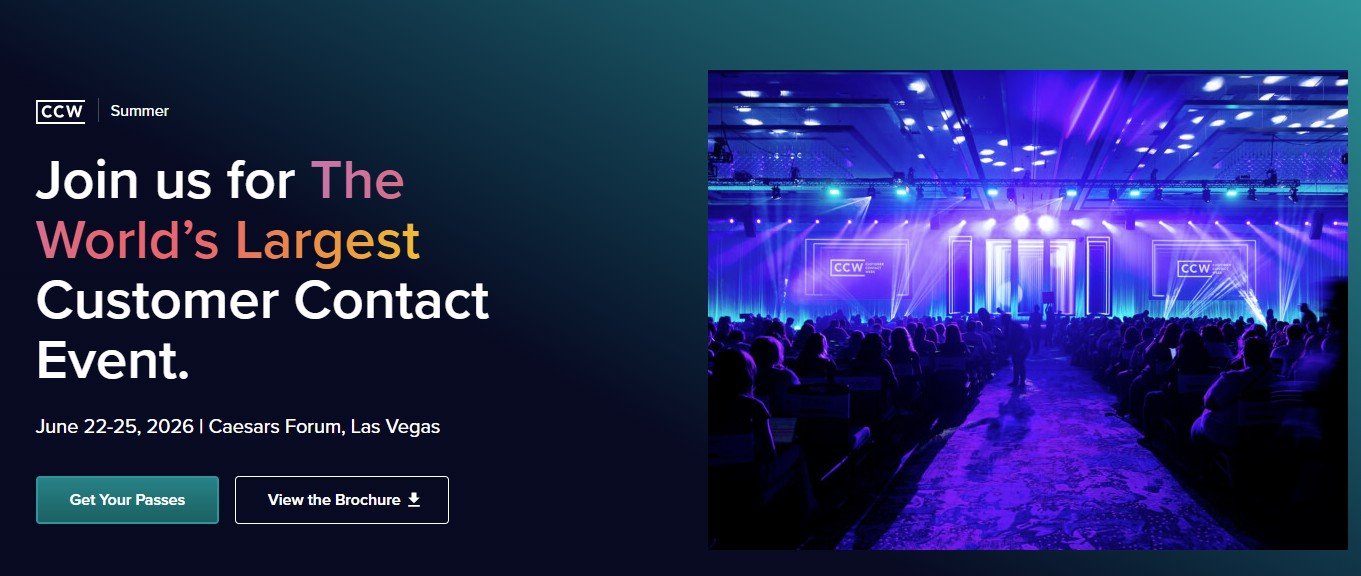
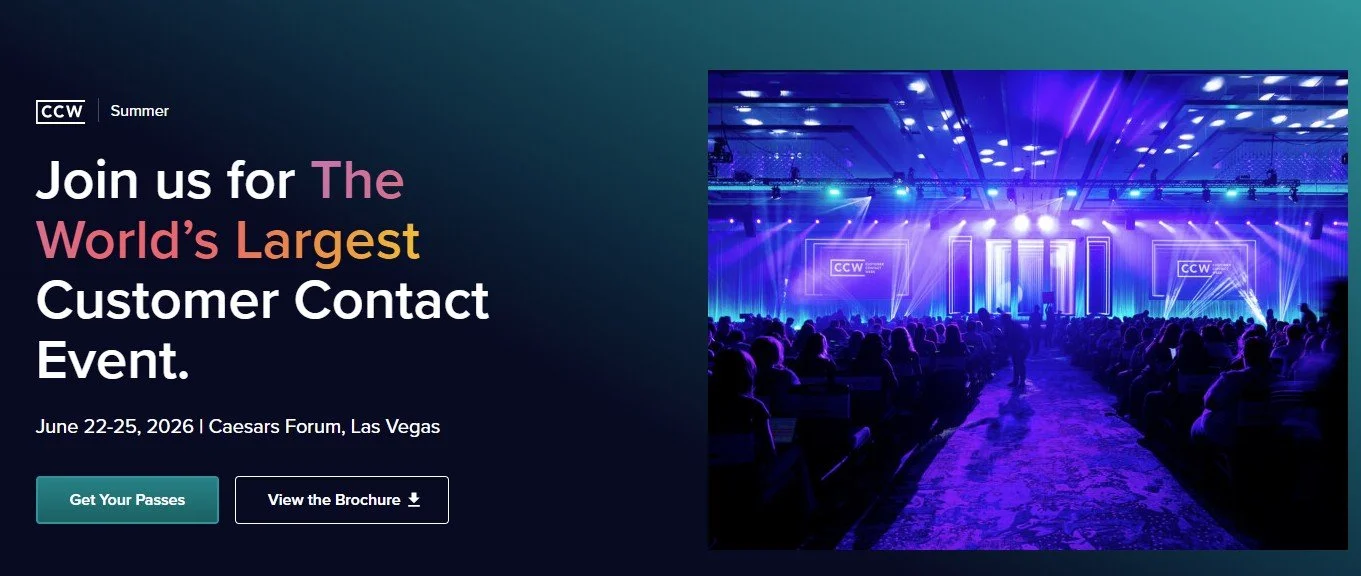
I'm excited to share that I'll be attending Customer Contact Week (CCW) in Las Vegas from June 22-25, 2026.
For those of us who have spent our careers in Customer Experience, Contact Centers, Learning & Development, Workforce Management, Operations, Quality, Technology, and BPO leadership, CCW remains one of the most valuable events in the industry.
This year's event brings together leaders focused on AI, automation, digital transformation, customer experience innovation, workforce engagement, operational excellence, and the future of customer care. It is one of the few conferences where executives, practitioners, technology providers, and operations leaders are all having the same conversations in the same place.
One of the moments I'm most looking forward to is reconnecting with Natalie Beckerman, EVP & Chief Business Officer at iQor and a member of the CCW Advisory Board. Natalie has been an incredible friend and mentor who helped shape my career and offered support during one of the most challenging health setbacks of my life.
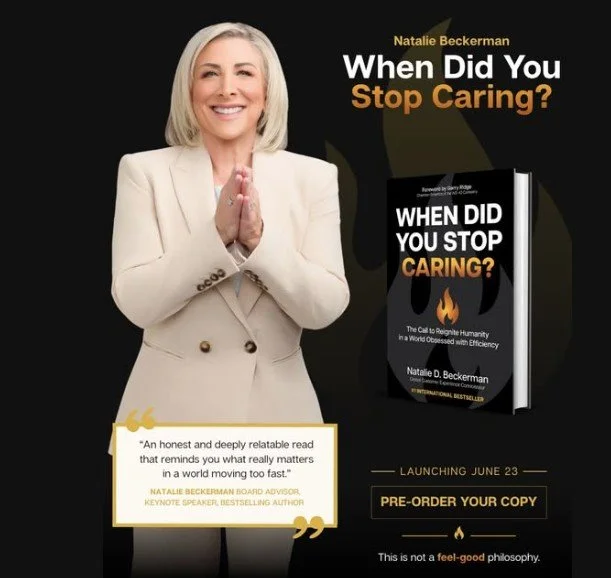
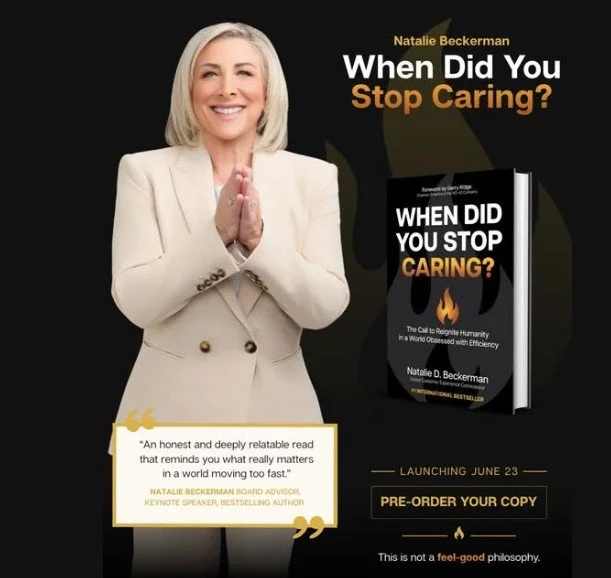
I'm especially excited to hear Natalie speak about her upcoming book, When Did You Stop Caring?, where she challenges leaders to think differently about empathy, accountability, culture, and the human side of customer care.
Pre-order your copy here:
https://a.co/d/0dHRj6KZ
If you're in the customer contact industry and have never attended CCW, I encourage you to consider making the investment regardless of your role.
Why?
✅ Learn what is actually working in AI and automation
✅ Network with leaders facing the same challenges you are
✅ Discover emerging technology before it becomes mainstream
✅ Gain practical ideas you can implement immediately
✅ Build relationships that often become career-changing opportunities
I've attended enough conferences throughout my career to know that sometimes the best idea, partnership, mentor, or future opportunity comes from a conversation in a hallway rather than a presentation on a stage.
If you'll be attending CCW Las Vegas, let me know. I'd love to connect.
Subscribe to NielFlamm.com.