
Hari ini saya menemukan sebuah video di Facebook yang langsung mengingatkan saya mengapa model moderator tanpa bayaran di Nextdoor tidak berhasil.
Saksikan di sini:
https://www.facebook.com/share/v/1LCFC3TzYb/
Video tersebut menunjukkan apa yang dapat terjadi ketika seseorang percaya bahwa mereka memiliki wewenang di luar apa yang seharusnya. Hasilnya adalah lingkungan di mana orang-orang berhenti terlibat karena mereka merasa tidak didengar atau diperlakukan secara adil.
Itulah risiko yang ditimbulkan jika mengandalkan moderator lingkungan yang tidak dibayar dan memiliki pengawasan serta akuntabilitas yang tidak konsisten.
Hal yang membuat frustrasi adalah ini sebenarnya bisa diperbaiki.
Saya telah berulang kali menyarankan agar Nextdoor menerapkan program penilaian Jaminan Kualitas yang serupa dengan yang digunakan dalam organisasi layanan pelanggan, di mana keputusan moderator secara rutin ditinjau untuk konsistensi, kepatuhan terhadap kebijakan, profesionalisme, dan bias. Saya bahkan menyarankan agar Karen Romero memimpin inisiatif tersebut melalui pelatihan, sesi kalibrasi, dan metrik kualitas yang terukur.
Saya juga mengajukan pertanyaan lain yang menurut saya layak mendapatkan jawaban.
Apa saja langkah-langkah penyaringan dan pengamanan berkelanjutan yang ada untuk melindungi pengguna jika seorang moderator yang tidak dibayar menjadi tidak terkendali dan memutuskan untuk membalas dendam terhadap tetangga setempat?
Moderator beroperasi dalam komunitas yang terkait dengan identitas asli dan informasi lokal. Jika seseorang menyalahgunakan posisi tersebut, pengawasan apa yang ada? Jejak audit apa yang ditinjau? Perlindungan apa yang ada untuk orang-orang yang mereka moderasi?
Saya telah mengajukan pertanyaan-pertanyaan ini berulang kali di berbagai tingkatan dalam Nextdoor.
Sejauh ini, tanggapannya adalah keheningan.
Saya tidak sekadar mengatakan modelnya rusak lalu pergi begitu saja. Saya mengusulkan perbaikan praktis dan mengajukan pertanyaan tata kelola yang masuk akal.
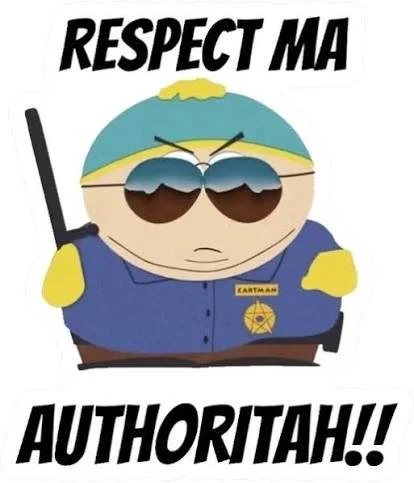
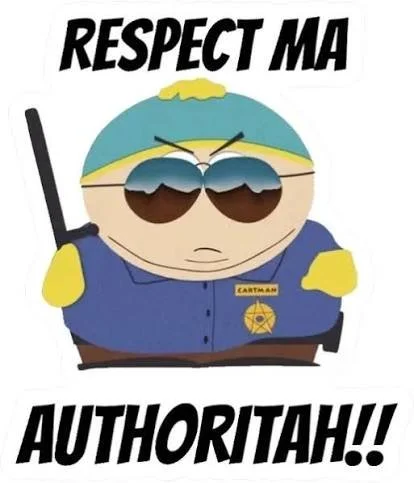
Untuk sedikit humor, saya menambahkan gambar Eric Cartman dan jargon terkenalnya, "Hormati otoritas saya!" Meskipun dimaksudkan sebagai lelucon, seringkali gambar itulah yang terlintas di benak saya ketika memikirkan moderator yang tidak dibayar yang duduk di belakang monitor, mengenakan lencana dan kacamata hitam imajiner, yakin bahwa mereka telah diberikan wewenang yang jauh lebih besar daripada yang sebenarnya mereka miliki.
Pimpinan tidak harus menyetujui setiap saran, tetapi mengakui umpan balik yang bij thoughtful dan menjelaskan pengamanan yang ada akan sangat membantu dalam membangun kepercayaan dengan pengguna dan pemegang saham.
Masalahnya bukan pada para sukarelawan itu sendiri.
Masalahnya adalah model moderasi yang kurang transparan, kurang pengawasan, dan kurang kontrol kualitas yang diperlukan untuk menumbuhkan kepercayaan.
Komunitas berhak mendapatkan konsistensi. Relawan berhak mendapatkan bimbingan. Pengguna berhak mendapatkan jawaban.
Dan para pemimpin hebat tidak mengabaikan pertanyaan-pertanyaan sulit.
Nextdoor's Biggest Opportunity Isn't AI—It's Trust
I didn't start writing about Nirav Tolia until he blocked me on LinkedIn.
My "offense" was providing feedback about Nextdoor's moderation model and user experience. Instead of engaging with criticism that could improve the platform, he removed the feedback from his view.
I recently listened to Nirav's June 3, 2026 appearance on the New Economies podcast with Ollie Forsyth:
https://www.neweconomies.co/p/nirav-tolia
Throughout the conversation, Nirav discusses AI, local commerce, and what matters to neighbors today. To me, much of it sounds like lip service because the most pressing issue facing Nextdoor isn't AI—it's trust.
What really matters to people today is a consistent moderation program with transparency from the moment a post is submitted through the final moderation decision and the metrics behind those decisions.
Nextdoor's model is built around real names and verified addresses. That's a tremendous amount of trust that users place in the company. Yet I have repeatedly asked a simple question:
What vetting is performed to ensure a volunteer neighbor moderator cannot retaliate against another neighbor?
I've asked several times and haven't received a meaningful response.
During the podcast, Nirav also discusses the value of the information that Nextdoor possesses. That data is clearly a valuable corporate asset and part of the company's monetization strategy.
But if users are expected to trust the platform with their identities, addresses, neighborhoods, and conversations, then transparency around moderation should be every bit as important as monetizing that data.
The future of Nextdoor won't be determined by AI features alone. It will be determined by whether neighbors believe the platform is fair, consistent, and accountable.
Leadership Can't Fix What It Doesn't Experience
I don't believe Nextdoor CEO Nirav Tolia is an active, everyday user of the platform in the same way millions of neighbors experience it.
If he were regularly navigating neighborhood conversations, moderator actions, appeals, and the frustrations many users describe, I suspect the moderation model would look very different today.
Living in an affluent community like Cary Estates, where homes routinely sell in the $10–13 million range, creates a very different environment from that of many neighborhoods across America. Public records show a home purchased through a trust in 2020 that was listed around $12.5 million. That level of insulation can make it difficult to understand the pulse of the average user.
It reminds me of McDonald's CEO Chris Kempczinski promoting the Big Arch burger. The marketing videos felt staged, and his reaction while eating it came across as less than enthusiastic. Consumers can usually tell when an executive is sampling a product for the cameras versus regularly enjoying it like a customer.
The same principle applies to social media platforms.
My suggestion? Put Nirav Tolia on an episode of Undercover Boss. Have him spend a week shadowing volunteer moderators in neighborhoods that aren't insulated by wealth or status. Let him watch reports come in, observe moderation decisions, see appeals, and experience the frustration that many users describe.
Earlier in my career, I worked for an automotive finance company owned by an automobile manufacturer. One of the employee benefits was an incredible lease program with no out-of-pocket costs, insurance included, and discounted payroll-deducted lease payments.
Why? Because the company wanted employees to drive the product they represented. We became ambassadors. Whether you worked in collections, training, or customer service, you experienced the vehicle firsthand and could speak to it authentically.
That philosophy created better employees and better advocates.
Does every employee at Nextdoor actively use the platform? Do executives, engineers, legal staff, and product managers spend time participating in neighborhood conversations and seeing what moderators and users experience every day?
The best leaders don't manage from a boardroom—they manage from experience. Until leadership truly experiences the platform the way everyday users do, the moderation model risks remaining disconnected from reality.
When Will We See "Nextdoorgate"?
Social media has shown us time and time again that ordinary people can have extraordinary public meltdowns.
Think about some of the headlines we've all seen:
✈️ Tiffany Gomas on an American Airlines flight insisting another passenger "wasn't real."
🥤 A DoorDash driver allegedly pepper-spraying a customer's Arby's order after a dispute.
🍩 Ariana Grande's infamous "Donutgate" incident.
These weren't celebrities seeking attention. They were everyday people who, for one reason or another, made very public decisions they likely regret.
Which raises an interesting governance question.
Nextdoor's volunteer moderators are also everyday neighbors. They're members of the public who have been given authority to influence discussions, remove content, and help shape conversations within their communities.
They're human. They have opinions, biases, bad days, and emotions like everyone else.
I've previously asked what safeguards exist to prevent moderators from retaliating against users with unpopular viewpoints or personal disagreements.
The platform itself often hosts divisive discussions in which even topics as harmless as puppies, kittens, or neighborhood events somehow turn into arguments. If tension can escalate that quickly, what protections exist when a moderator is part of that conflict?
Risk management isn't about assuming people will behave badly—it's about recognizing that everyone is capable of making poor decisions under the right circumstances.
As a shareholder, I continue to ask: What policies, oversight, auditing, or accountability measures has CEO Nirav Tolia implemented to ensure moderator authority cannot be abused?
Waiting until a national news story forces the conversation may be waiting too long.
Hit the subscribe button for NielFlamm.com.