
Saya meminta AI untuk melakukan analisis kesenjangan pada Nextdoor. Hasilnya menarik.
Selama beberapa bulan terakhir, saya telah meminta ChatGPT untuk membantu saya menulis lusinan postingan tentang Nextdoor, CEO Nirav Tolia, moderasi, nilai pemegang saham, AI, survei, pengiklan, pembangunan komunitas, dan kepemimpinan.
Jadi saya mengajukan pertanyaan sederhana:
Berdasarkan semua yang telah saya minta Anda tulis, informasi yang tersedia untuk umum, hasil keuangan Nextdoor, dan harga saham, apa yang akan Anda lakukan secara berbeda jika Anda adalah seorang CEO?
Jawabannya bukanlah "pecat semua orang."
Bukan "mengganti papan sirkuit."
Bahkan bukan "luncurkan lebih banyak AI."
Kesenjangan terbesar yang teridentifikasi adalah ini:
Nextdoor lebih banyak berbicara tentang koneksi antar manusia daripada mengukur koneksi antar manusia.
Perusahaan telah mencapai kemajuan dalam pertumbuhan pendapatan, jumlah pengguna aktif mingguan, EBITDA yang disesuaikan mendekati titik impas, dan posisi kas yang substansial.
Namun, AI menyarankan lima prioritas:
1. Perbaiki kepercayaan terlebih dahulu.
Buatlah metrik jaminan kualitas moderator, banding, akuntabilitas, dan penegakan hukum yang transparan.
2. Jadikan AI sebagai fitur produk, bukan sekadar bahan pembicaraan di podcast.
Gunakan AI untuk meredakan konflik, mendeteksi penipuan, mencocokkan tetangga, dan meningkatkan kualitas percakapan.
3. Lakukan studi perilaku nyata.
Laboratorium mediasi percontohan, lokakarya komunikasi MBTI dan DISC, tantangan layanan masyarakat, dan program keterlibatan lingkungan menggunakan kelompok kontrol dan hasil yang terukur.
4. Perlakukan pengiklan lokal seperti pelanggan.
Berikan dukungan responsif, pelaporan ROI yang jelas, dan jalur eskalasi ketika masalah muncul.
5. Menciptakan dan mengkomunikasikan nilai bagi pemegang saham.
Jelaskan secara gamblang bagaimana modal dialokasikan dan bagaimana keputusan manajemen diharapkan dapat meningkatkan pengembalian jangka panjang.
Yang membuat saya kagum adalah AI tidak menyimpulkan bahwa tantangan terbesar Nextdoor adalah teknologi.
Kesimpulannya, tantangannya adalah eksekusi.
Satu hal yang sering dilupakan orang adalah bahwa AI sangat unggul dalam menganalisis lebih dari sekadar angka. AI menganalisis pola, tren, sentimen, perilaku, interaksi, dan hasil. Itulah mengapa AI dapat berguna dalam memahami bagaimana tetangga berkomunikasi, di mana konflik muncul, dan intervensi apa yang sebenarnya dapat meningkatkan kepercayaan dan keterlibatan.
Bayangkan jika Nextdoor menerapkan ketelitian yang sama seperti studi epidemiologi.
Buat lingkungan percontohan. Tetapkan kelompok kontrol. Ukur sentimen, retensi, keterlibatan pengiklan, pengurangan konflik, dan partisipasi masyarakat. Publikasikan metodologi, demografi, keterbatasan, dan temuan.
Itu adalah data.
Itulah sains.
Itulah pertanggungjawaban.
Alih-alih berita utama survei lainnya, kita akan mempelajari apa yang sebenarnya membantu tetangga terhubung.
Kesimpulan yang paling mengejutkan?
AI menunjukkan bahwa kesenjangan antara pesan dan pengalaman mungkin lebih besar daripada kesenjangan antara teknologi dan peluang.
Itu adalah tantangan kepemimpinan.
Dan kepemimpinan pada akhirnya diukur dari hasil.
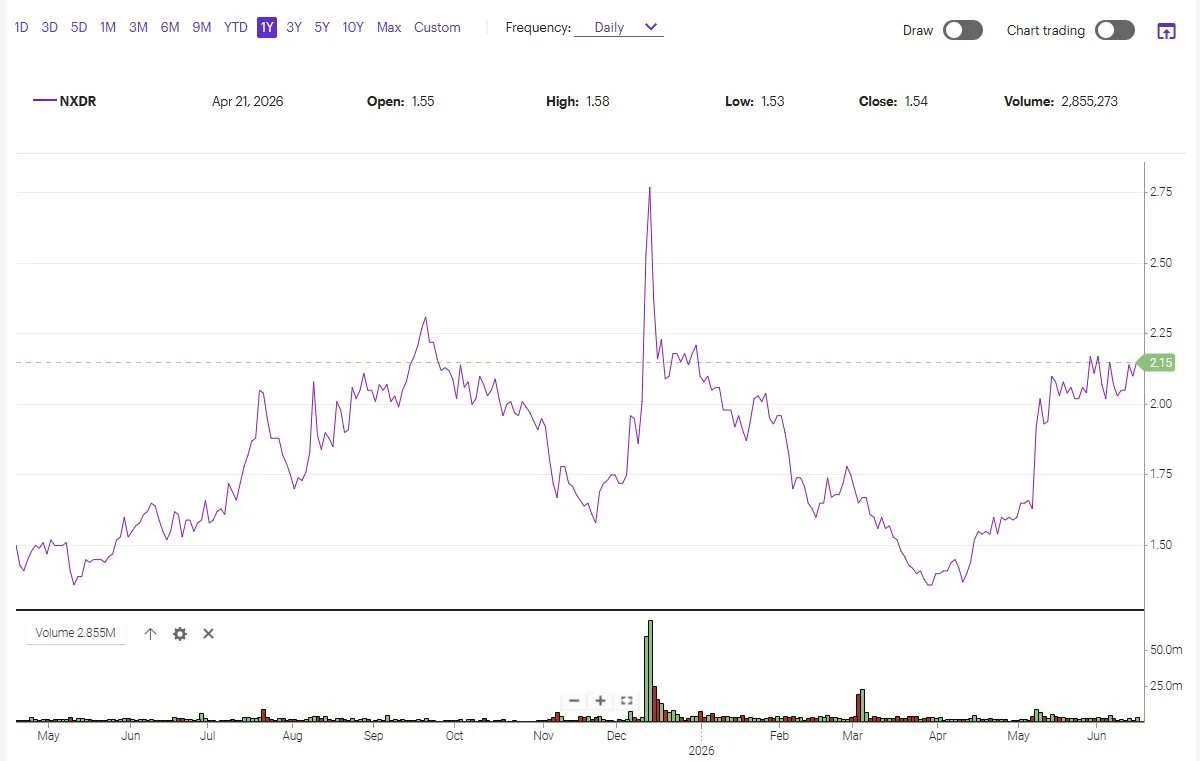
NXDR and The Gambler: Know When to Hold 'Em... and Know When to Walk Away
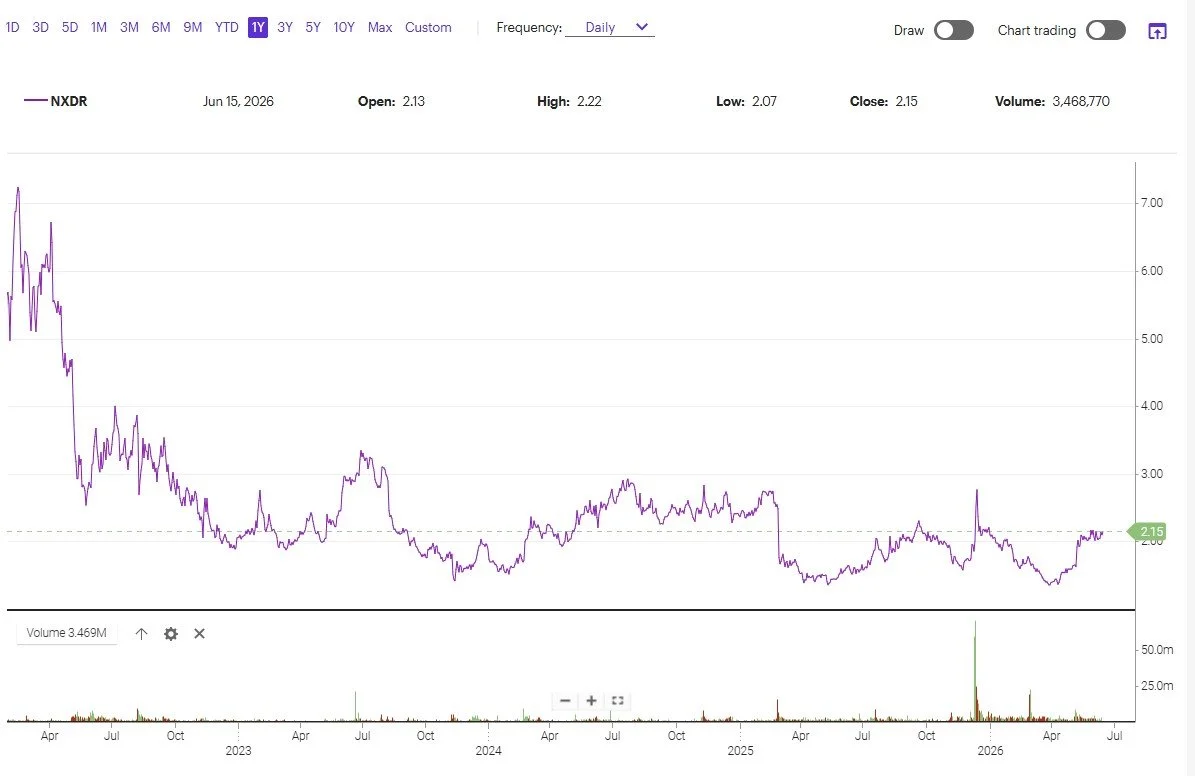
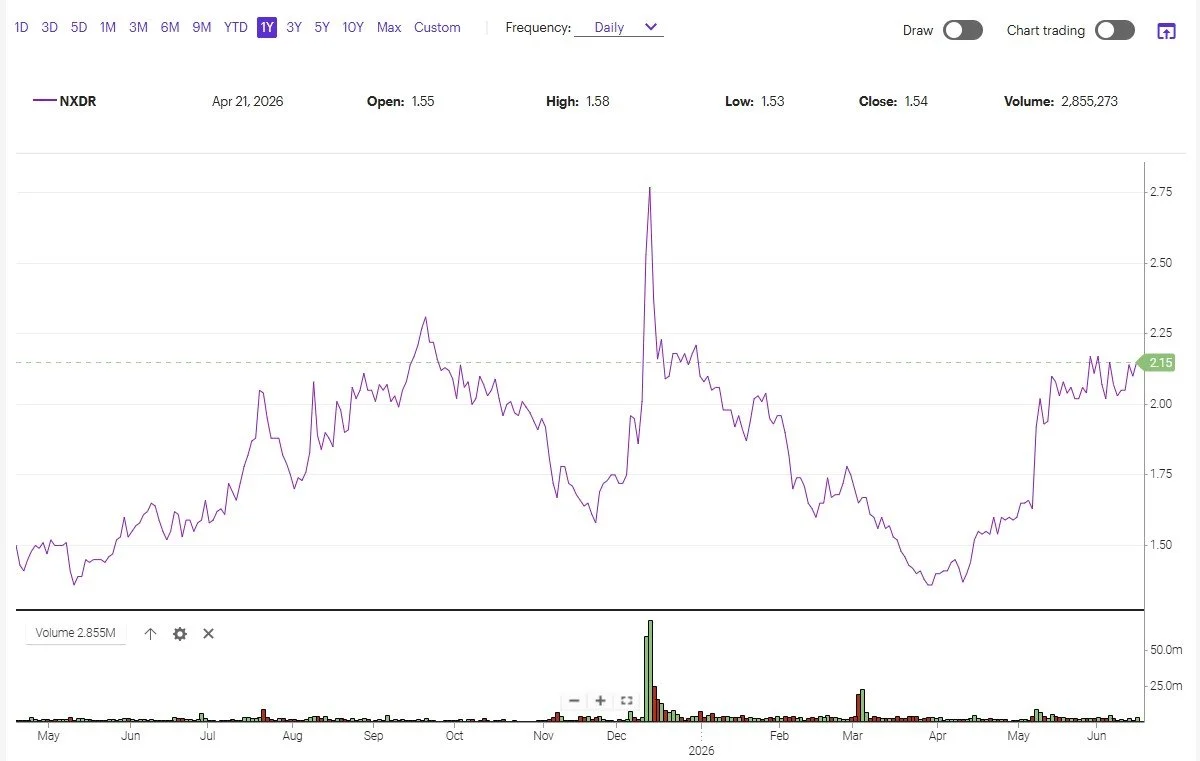
Looking at the 1-year chart of Nextdoor Holdings (NYSE: NXDR), the stock is up roughly $0.60 year over year, rewarding investors who bought during periods of pessimism.
Based on the historical trading patterns I've observed over the past four years, I believe July could bring another round of profit-taking as short-term investors lock in gains.
Kenny Rogers' The Gambler offers timeless investing wisdom: "Know when to hold 'em" and "know when to walk away." For investors, knowing the difference can mean everything.
That brings me to a larger question.
What is CEO Nirav Tolia doing to ensure minority shareholders receive a meaningful return on their investment?
If AI is truly the future of Nextdoor, why aren't users seeing a steady stream of innovative features that strengthen neighbor relationships and make communities more useful?
Instead, the public conversation often revolves around disputes over moderation, neighborhood division, sponsored surveys, and advertising initiatives.
Likewise, the recent publicity campaign featuring appearances on podcasts and interviews may generate headlines, but has it materially changed user engagement, revenue growth, or investor sentiment? The stock chart suggests investors are still waiting for stronger evidence of execution.
Nirav Tolia graduated from Stanford with a degree in English, and he is clearly an effective communicator. But public companies ultimately succeed by delivering measurable results, not compelling narratives. We expect a strategy supported by transparent metrics and product execution.
Some questions I'd like leadership to answer:
Where are the AI features that materially improve the neighbor experience?
How is AI translating into shareholder value?
Why does the platform still appear more divisive than connective?
What measurable milestones should investors expect over the next 12 months?
How will management demonstrate that AI investments are producing tangible financial returns?
As a shareholder, I want Nextdoor to succeed. But success requires more than media appearances and AI talking points. It requires products that users love, communities that thrive, and financial results that reward investors.
These are my personal opinions and observations and should not be considered financial advice. Always perform your own due diligence before making investment decisions.
AI Doesn't Eliminate Economics
OpenAI recently highlighted how Nextdoor is using Codex to accelerate software development, including examples where a feature that once required three engineering teams can now be built end-to-end by a single engineer. It's an impressive showcase of what AI-assisted development can accomplish.
Read the case study:
https://openai.com/index/nextdoor/
But it also raises a bigger economic question.
If AI enables one engineer to do the work that previously required multiple specialists, what happens to labor demand?
Markets are driven by supply and demand. During COVID, shortages drove prices up across nearly every industry. The reverse is also true: if AI increases productivity while expanding the effective supply of engineering talent, compensation pressure seems inevitable over time.
I’m struggling with the messaging from Nextdoor leadership.
Nirav Tolia earned a BA in English from Stanford, one of the world's premier universities. He communicates well, but the broader corporate message often feels scattered—part neighborhood platform, part AI company, part advertising network, and part social media experiment. Having Cory Dolphin, Head of Engineering, deliver this message may have also insulated executive leadership from discussing the broader labor implications of AI.
Here's my unpopular opinion.
If AI truly allows one engineer to do the work of several engineers, then basic economics suggests IT salaries should eventually normalize downward. There is little economic justification for maintaining compensation levels that were established during a period of exceptionally high demand and limited supply if AI permanently changes that equation. Productivity gains don't just change how work gets done—they change the value of labor in the marketplace.
That may not be a popular viewpoint, but markets have never been driven by popularity.
I'm also a believer in AI. I use ChatGPT to organize my thoughts, strengthen my writing, and increase my own productivity. AI is an incredible tool when used responsibly.
But if Nextdoor leadership is truly as bullish on AI, its product, and its future as these announcements suggest, perhaps it's time to put even more conviction behind that belief. Nirav Tolia is the company's largest shareholder. If the future is as bright as advertised, why not take the company private and invest even more heavily in that vision?
Perhaps the real bottleneck isn't engineering anymore.
Perhaps it's strategy and leadership clarity.
I'd love to hear other perspectives.
Subscribe to NielFlamm.com.
Apa yang Bisa Kita Pelajari Tentang Konsistensi dari Waffle House, In-N-Out, dan Nextdoor
Setelah selesai menjalani pemeriksaan di dokter spesialis kaki dan sebelum menuju ke tempat berikutnya, saya mampir ke tempat yang familiar dan nyaman: Waffle House.
Jika Anda belum pernah ke sana, Anda melewatkan sesuatu yang luar biasa. Slogan mereka, "Makanan Enak Cepat Saji," sederhana, mudah diingat, dan selalu tepat sasaran. Menunya tidak rumit, pelayanannya ramah, dan stafnya dengan lancar menangani berbagai peran sambil menciptakan suasana yang ramah. Beri saya waffle, patty melt, dan hash brown yang disiram saus, dan saya akan menjadi pelanggan yang bahagia.
Ini mengingatkan saya pada restoran favorit lainnya, In-N-Out Burger. Menunya kecil, bahan-bahannya segar, dan konsistensinya luar biasa di lokasi mana pun yang Anda kunjungi.
Konsistensi itulah yang menurut saya sulit dicapai oleh Nextdoor.
Pesan yang disampaikan perusahaan bergeser antara mempromosikan koneksi antarmanusia, pengalaman berbasis AI, peluang bagi pengiklan, penetapan harga dinamis, dan keterlibatan lingkungan sekitar. Sebagai pemegang saham dan pengamat, saya bertanya-tanya: Apa misi inti perusahaan ini?
Ada kontras menarik lainnya. Waffle House dan In-N-Out tetap menjadi bisnis milik pribadi, memungkinkan manajemen untuk menjalankan visi jangka panjang tanpa tekanan pasar triwulanan.
Jika manajemen Nextdoor benar-benar percaya bahwa strategi mereka akan menciptakan nilai jangka panjang, mungkin pernyataan paling berani adalah berinvestasi bersama pemegang saham melalui pembelian kembali saham yang signifikan atau bahkan mempertimbangkan untuk menjadikan perusahaan swasta. Dengan harga saham yang berada di sekitar $2 setelah sempat mendekati $1,50, kepercayaan dapat ditunjukkan melalui tindakan, bukan hanya sekadar pesan.
Konsistensi membangun kepercayaan. Baik itu menyajikan sarapan atau membangun komunitas, orang tahu kapan suatu organisasi memiliki identitas yang jelas—dan kapan tidak.
AI, Nextdoor, and Transparency
Since transparency is something I frequently ask for from others, it's only fair that I offer the same.
Yes, I use AI to create many of my posts on Nextdoor and #NiravTolia.
What I don't do is type:
"Hey AI, write something bad about Nextdoor."
What I do is provide my own thoughts, opinions, observations, questions, and experiences, then ask AI to help organize them into something more readable.
Think of it more like:
"Here are my thoughts about Nextdoor. Help me write this clearly."
After that, I use additional tools to review grammar, structure, and context.
I also use AI-generated illustrations and cartoons. That's not because I'm hiding anything—it's because my artistic abilities peak somewhere around stick figures. If you've ever seen me try to draw, you'd immediately understand why AI became involved.
For me, AI is about productivity and efficiency. I can spend hours staring at a keyboard, trying to perfect the wording, or I can use modern tools to communicate ideas more effectively while still ensuring the underlying thoughts are my own.
The opinions are mine.
The questions are mine.
The experiences are mine.
The tools help me present them.
I wanted to put that out there and dispel any assumptions about how my content gets created.
Subscribe to NielFlamm.com.